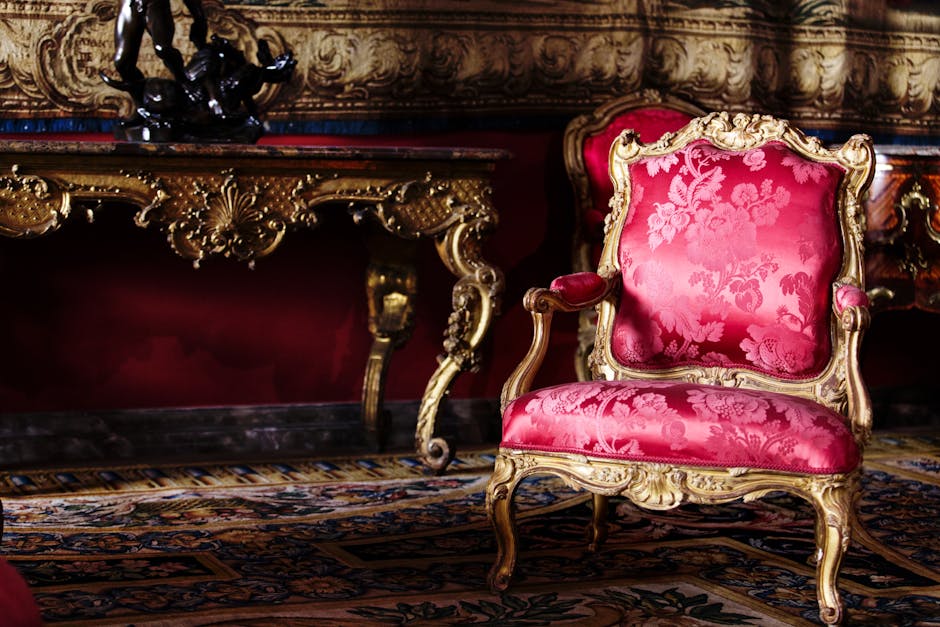
Syon Park upholstery cleaning tips for historic homes
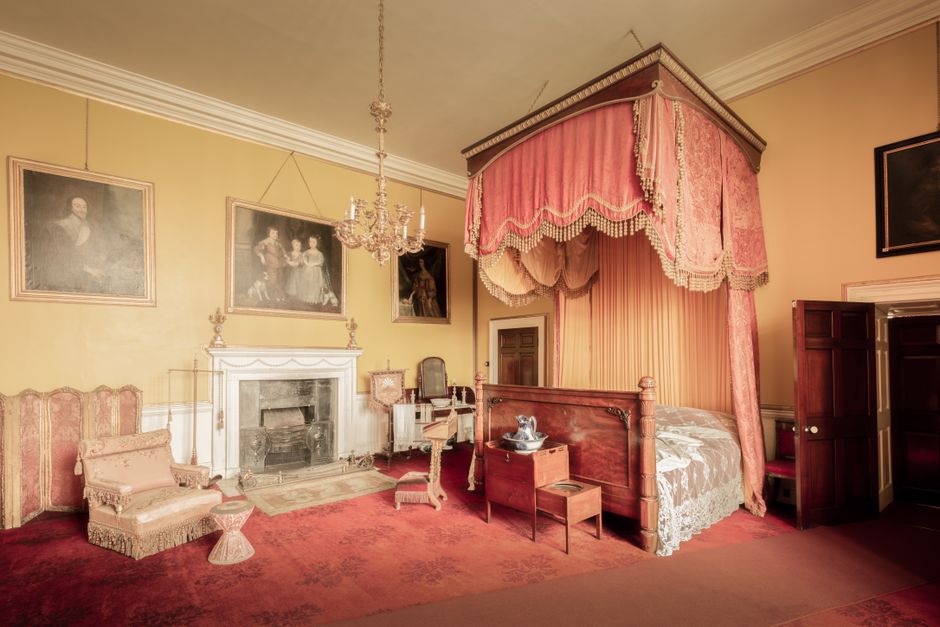
If you live in or care for a historic home near Syon Park, upholstery cleaning is never just about making a sofa look nice again. It is about protecting fabric, woodwork, trims, and the quiet character of the room itself. One heavy-handed clean can leave water marks, faded fibres, or even a slightly wobbly old sprung seat that really did not need the drama. This guide on Syon Park upholstery cleaning tips for historic homes will walk you through safe, practical methods that respect older interiors while still getting proper results.
Historic homes have their own rules. Fabrics may be more fragile, fillings may be older, and moisture can travel into places you cannot easily see. That means the best approach is usually careful, patient, and a bit old-fashioned in the good sense. Below, you will find a clear process, common mistakes to avoid, and realistic advice for deciding when DIY is enough and when a specialist clean makes more sense. No fluff. Just the sort of advice that helps you keep the room looking lived-in, not damaged.
Why Syon Park upholstery cleaning tips for historic homes matters
Historic homes around Syon Park tend to combine beautiful details with older materials that have already lived a full life. That includes upholstered chairs, settees, window seats, dining benches, and occasional antiques that have been re-covered more than once. The problem is simple enough: what works on modern furniture can be too harsh for aged textiles, horsehair fillings, delicate webbing, polished legs, or hand-finished trims.
It matters because upholstery in these homes often sits in rooms with changing temperatures, older ventilation, and sometimes sensitive wall finishes. A wet clean that would be fine in a newer flat can become a headache in a Georgian or Victorian room. The fabric may dry slowly. The filling may hold odour. A splash of cleaner may leave a tide line. And once a stain sets into an heirloom piece, you cannot exactly nip out and buy another. Not really.
There is also the comfort factor. Historic homes are often used properly, which is how they should be used. Family life, guests, pets, tea, the odd muddy coat after a walk, all of that still happens. So the goal is not preservation in a museum sense. It is balanced care: keep the fabric clean enough for daily living while protecting the age and value of the piece.
Expert summary: In older homes, upholstery cleaning should always start with the fabric type, the filling, and the age of the piece, not with the stain. That one shift in thinking prevents a lot of avoidable damage.
How Syon Park upholstery cleaning tips for historic homes Works
The safest upholstery cleaning process for historic interiors is usually a controlled, low-moisture approach. In plain English, that means testing first, cleaning gently, and drying thoroughly. You are trying to lift dirt and spots without flooding the fabric or disturbing old adhesives, stitched seams, or delicate dyes.
Here is the basic logic. First, identify the material. Linen, wool, cotton, silk blends, velvet, brocade, and leather all behave differently. Then assess the condition. Is the fabric sun-faded, brittle, loose, or patched? Are the cushions removable? Is the frame antique, or just styled to look old? That part matters more than people think. A sturdy-looking chair can still have aged stuffing inside.
After that comes testing. A tiny hidden patch is the sensible place to see how the fabric reacts to water, detergent, foam, or solvent. If colour transfers, fibres fluff up, or the texture changes, you stop. Historic homes reward caution. They really do. If a cleaner says they can treat everything the same way, that is your cue to pause and ask more questions.
Finally, the actual cleaning method should match the piece. Light vacuuming, dry soil removal, careful spot treatment, and minimal moisture are often the safest first steps. Deep extraction or steam may still be used in some cases, but only when the fabric and construction can cope. For many property owners, a professional upholstery cleaning service is the simplest way to reduce risk while still getting a proper finish.
Key Benefits and Practical Advantages
Good upholstery care does more than improve appearances. In a historic home, it helps preserve the whole atmosphere of the room. You notice it immediately. The fabric feels fresher, the room smells cleaner, and the furniture looks like it belongs again rather than sitting there as a slightly tired afterthought.
- Longer fabric life: removing grit and body oils reduces wear on the fibres.
- Better indoor comfort: cleaner upholstery tends to hold less dust and stale odour.
- Improved presentation: useful if you host guests, stage rooms, or simply prefer your home to feel cared for.
- Reduced staining risk: early treatment stops spills from becoming permanent.
- Protection of heritage details: careful cleaning helps preserve trims, piping, and decorative fabrics.
There is a practical benefit too: prevention is cheaper than replacement. Re-covering an antique chair, restoring a damaged seat pad, or dealing with dye bleed can become expensive in a hurry. Even if a piece is not formally valuable, it may still be hard to replace because it suits the room, the proportions, and the period feel. That counts for a lot.
For property owners comparing services, it can help to understand related treatments as well. In some homes, upholstery care sits alongside sofa cleaning, rug cleaning, and curtain cleaning because dust and airborne grime move through the room as a whole, not just across one chair.
Who This Is For and When It Makes Sense
This guide is for anyone managing upholstered furniture in a period property, listed home, heritage property, or simply a home with older interiors and delicate pieces. You do not need to own a grand estate to benefit from these tips. A modest terraced house with original features can have equally sensitive upholstery needs. Truth be told, some of the trickiest jobs are the ordinary-looking ones.
It makes sense to use these methods when the furniture is:
- older than the average modern lounge suite
- made with natural fibres or mixed fabrics
- prone to water marks or uneven fading
- part of a formal sitting room, drawing room, or dining space
- used regularly but not heavily soiled
- in good structural condition, but in need of careful freshening up
If the upholstery has stubborn pet odour, old food staining, or repeated drink spills, a targeted approach may be needed. In those cases, a broader stain removal treatment can help, but only if it is matched to the fabric. And if pets are part of the picture, then pet stain and odour removal may be the more sensible route.
Sometimes the decision is not about whether the upholstery is dirty enough. It is about risk. If you are already nervous about colour loss, seam damage, or moisture, that is often a fair sign to proceed slowly or get help. Better cautious than sorry. A very British approach, maybe, but it works.
Step-by-Step Guidance
If you want a reliable process, keep it simple and controlled. The steps below work well for many historic-home situations, though you should always adjust for the fabric and manufacturer guidance if it exists.
- Inspect the piece carefully. Look for loose threads, thinning fabric, broken buttons, split seams, sagging cushions, and old repairs. Take note of any areas already weakened by sun or age.
- Vacuum gently. Use a soft brush attachment and low suction where possible. Go slowly. Dust and grit are abrasive, and they hide in seams and around piping.
- Check the fabric label or construction clues. If the label says dry clean only, or the fabric looks like silk, viscose-rich velvet, or another sensitive material, do not rush into water-based cleaning.
- Test in a hidden area. Use a barely damp cloth or a tiny amount of suitable cleaner. Watch for dye transfer, water rings, or texture change.
- Treat spots, not the whole piece first. Lift isolated marks before deciding on full cleaning. It is easier to stop a problem when it is small.
- Use minimal moisture. Lightly damp is better than wet for many older pieces. A soaking wet cushion is a bad afternoon waiting to happen.
- Blot, do not rub. Rubbing can distort weave and push the stain deeper. Blotting is slower, but cleaner and safer.
- Dry with airflow. Open windows if weather allows, or use gentle room ventilation. Keep heat moderate. Avoid blasting the fabric with very hot air.
- Re-check once dry. Inspect for water marks, lingering smell, or raised fibres. Some issues only show once the piece has fully dried.
If you are cleaning a whole room rather than a single chair, work from the least soiled items to the worst. That keeps dirt from spreading around. It sounds obvious, but in real homes people often tackle the obvious stain first and then end up smudging the clean fabric on the neighbouring seat. Happens all the time.
Expert Tips for Better Results
There are a few habits that make a huge difference in historic interiors. The first is restraint. Less product, less water, less pressure. That's the rhythm. It may feel slow, but slow is what protects older fabric.
Use the vacuum before any liquid. Dry soil is often the real problem. If you remove dust, crumbs, and grit first, any later treatment works better and you avoid grinding debris into the weave. It is boring work, yes, but oddly satisfying in the end.
Mind the light. In rooms with strong daylight, one side of a chair may fade more than the other. When cleaning, do not over-focus on the darker side and forget the condition of the whole piece. Once clean, the contrast can become more noticeable, so it helps to manage expectations.
Work around trims with care. Fringe, braid, bullion, piping, and decorative edging are often the first things to snag. Use a soft cloth or a tiny nozzle, not a scrubbing brush. On historic pieces, the trim is part of the story.
Control humidity. Older homes can take longer to dry, especially in cooler months. If the room already feels damp or stuffy, plan cleaning when you can ventilate properly. A piece that dries too slowly can develop odour or a flattened texture.
Clean in stages. With delicate upholstery, a two-pass clean is often safer than one enthusiastic session. Clean lightly, let it dry, then reassess. That extra patience usually pays for itself.
If the room includes matching curtains or a heavily used seating area, you may get better overall results by thinking in terms of the whole interior. A service such as carpet cleaning can reduce embedded dust that keeps resettling onto upholstery, while steam carpet cleaning may help in some homes where floor coverings are safe for a deeper freshen-up. The trick is matching the method to the material, not the other way round.
Common Mistakes to Avoid
Most upholstery damage in historic homes comes from a short list of avoidable mistakes. The good news? They are easy to remember once you have seen them a few times.
- Skipping the test patch: This is the big one. Never assume the fabric will behave.
- Using too much water: Water rings, dye bleed, and slow drying can ruin the finish.
- Scrubbing stains aggressively: It often spreads the mark and roughens the fabric surface.
- Using generic spray cleaners: Many are too harsh for old textiles or decorative finishes.
- Cleaning the frame as though it were modern: Antique wood details and glued joints do not appreciate surprise moisture.
- Forgetting the filling: A surface may look dry while the inner padding stays damp for ages.
- Ignoring odour: Smell can signal hidden moisture or deeper contamination.
One small but common mistake is cleaning only the visible stain and not the surrounding area. That can leave a tidy little halo around the spot, which is somehow more annoying than the original mark. You know the feeling.
Another is treating every old chair as if it is precious enough to require a museum conservator, or on the flip side, as if it is just any lounge suite. The sensible middle ground is usually best. Respect the age, but do not panic. Most pieces respond well to careful routine maintenance.
Tools, Resources and Recommendations
You do not need a van full of equipment to care for historic upholstery properly. In many homes, a handful of sensible tools is enough for routine maintenance.
| Tool or product | Best use | Why it helps in historic homes |
|---|---|---|
| Soft brush vacuum attachment | Routine dust removal | Reduces abrasion and protects delicate weave |
| White microfibre cloths | Spot blotting and gentle cleaning | Low-lint and easier to monitor colour transfer |
| Small spray bottle | Controlled moisture application | Prevents over-wetting |
| Dry upholstery sponge | Light soil lifting | Useful for crumbly dirt or surface grime |
| Fan or good ventilation | Drying support | Helps avoid odour and moisture build-up |
| Fabric-safe cleaning solution | Targeted spot cleaning | Lower risk than generic household sprays |
For broader home care, it can be useful to think beyond the sofa. Older interiors often need coordinated attention, which may include mattress cleaning for guest rooms or rug cleaning for fragile floor pieces. That way dust and allergens are managed across the room, not just one item at a time.
If you are choosing a cleaner, ask practical questions. What fabrics have they worked on? Do they test first? How do they manage moisture? What happens if a stain is not fully removable? Clear answers matter more than glossy promises. Always.
Law, Compliance, Standards, or Best Practice
For historic homes in the UK, it is sensible to think in terms of best practice and duty of care rather than treating upholstery cleaning as a simple domestic task. If the property is listed, part of a conservation area, or cared for as a heritage asset, the general principle is to avoid unnecessary alteration or damage to original materials. Even when no formal consent issue is involved, the same mindset helps.
From a practical perspective, businesses providing cleaning services should also operate with clear health and safety procedures, suitable insurance, and careful handling of equipment and chemicals. If you are hiring help, it is fair to ask about those basics. A trustworthy provider should be able to explain how they work, what protection they use, and how they reduce risk around fragile furnishings. You can review service policies such as health and safety guidance, insurance and safety information, and terms and conditions before booking if you want more confidence in how a company operates.
There is also a sustainability angle. Historic homes often reward a repair-and-maintain approach rather than a replace-and-discard cycle. That is better for the furniture, obviously, but also kinder to the waste stream. When possible, choosing careful cleaning over premature replacement is a practical sustainability choice. Simple as that.
Options, Methods, or Comparison Table
Different fabrics and different levels of soiling call for different methods. There is no one perfect answer, which is a bit annoying, but that is the reality of older furniture.
| Method | Best for | Pros | Watch outs |
|---|---|---|---|
| Dry vacuuming | Routine maintenance | Safe, fast, low risk | Won't remove deep stains |
| Spot cleaning | Small spills and marks | Targeted and controlled | Requires careful testing |
| Low-moisture upholstery cleaning | Most fabric chairs and sofas | Balanced clean with reduced drying time | Still needs fabric suitability checks |
| Steam or hot extraction | Some robust modern fabrics and certain older pieces only if safe | Can lift deep dirt well | Higher moisture and higher risk on heritage fabrics |
| Professional dry cleaning | Very delicate or dry-clean-only fabrics | Often safer for sensitive textiles | Needs proper specialist judgment |
If you are unsure, default to the least aggressive option that can still solve the problem. That is usually the most sensible route in a historic home. And if the upholstery is part of a wider refresh, you might combine it with curtain cleaning so the room finishes at the same standard across fabrics.
Case Study or Real-World Example
Picture a well-used sitting room in a period home near Syon Park. The upholstery includes a pair of older armchairs, a settee with decorative piping, and a cushion that always seems to collect tea crumbs. Nothing dramatic, just normal family life. But the fabric has started to look dull, and one armrest has a faint drink mark from weeks ago.
The owner's first instinct is to reach for an all-purpose spray. Sensible pause. Instead, the better approach is to vacuum the furniture carefully, inspect the seams, and test the armrest on a hidden spot. The cushion cover shows slight colour lift with too much moisture, so the cleaning is scaled back. The stain is treated lightly with a cloth rather than soaked, and the room is ventilated while everything dries slowly over the afternoon.
What changed the result was not any miracle product. It was the method. The furniture looked fresher without losing its soft finish, and the owner avoided the tell-tale water halo that can appear on older fabric. A small thing, really, but in a historic room the small things are the whole game.
In a few cases like this, the best outcome comes from pairing upholstery care with broader specialist services. A business with proper experience in sofa cleaning and fabric-sensitive stain treatment can often resolve problems that are awkward to manage at home, especially when the piece is large, awkward to move, or part of a matching suite.
Practical Checklist
Use this before you clean any upholstered piece in a historic home.
- Identify the fabric type if possible.
- Check for loose seams, fragile trim, and worn patches.
- Vacuum gently with a soft attachment.
- Test cleaner in a hidden area first.
- Use the least moisture needed for the job.
- Blot stains instead of rubbing them.
- Keep the room ventilated during drying.
- Watch for odour, tide marks, or colour change after drying.
- Stop if the fabric looks stressed or changes texture.
- Call a specialist if the piece is antique, valuable, or dry-clean-only.
Quick reassurance: If you are taking a careful approach, you are already doing better than most people. Historic upholstery rewards calm hands and a little patience.
Conclusion
Syon Park upholstery cleaning tips for historic homes are really about one thing: protecting character while improving comfort. The safest results come from slow assessment, gentle cleaning, and proper drying. Once you understand the fabric and the age of the furniture, the rest becomes much easier to judge.
Do not rush the process. Do not assume modern products will behave nicely on old textiles. And do not be afraid to leave a mark alone until you know how to treat it properly. In a historic home, restraint often gives you the best finish. That is the quiet little secret.
If you want deeper help with delicate furniture or a more complete room refresh, take a look at the service information available from upholstery cleaning specialists and compare it with your own needs and the fabric in front of you.
Get a free quote today and see how much you can save.
Frequently Asked Questions
Can I steam clean upholstery in a historic home?
Sometimes, but only if the fabric and construction can handle moisture and heat. Many historic pieces are better suited to low-moisture or dry-clean style methods. Always test first.
What is the safest way to clean antique upholstery?
The safest route is usually gentle vacuuming, careful spot testing, and minimal moisture. If the piece is valuable or fragile, a specialist approach is wiser than a DIY deep clean.
How do I stop water marks on old upholstery?
Use very little liquid, blot rather than rub, and dry the fabric evenly with airflow. Water marks often happen when too much moisture is applied to one area.
Should I clean curtains and upholstery together in a historic room?
It can make sense if both are dusty or affected by the same room conditions. Coordinating fabric care can freshen the whole space, especially if the curtains and seating are close together.
What fabrics are most risky to clean at home?
Silk, viscose-rich fabrics, dry-clean-only textiles, fragile velvet, and anything with fading or loose structure are higher risk. If in doubt, be conservative.
How often should upholstery be cleaned in a period property?
There is no fixed schedule. Light vacuuming should be regular, while deeper cleaning depends on use, dust levels, pets, and the fabric type. A formal sitting room may need less frequent deep cleaning than a family room.
Can old stains always be removed?
No. Some stains are permanent, especially if they have set into delicate fibres or changed the dye. A good cleaner will explain the likely outcome honestly rather than promising miracles.
Is professional upholstery cleaning worth it for a historic home?
Often, yes. The main value is risk reduction. A professional can judge fabric sensitivity, use the correct method, and help avoid accidental damage that would cost more to fix later.
What should I ask before booking a cleaner?
Ask what methods they use, whether they test fabrics, how they manage drying, and whether they are insured. Clear answers are a good sign, especially for older furnishings.
How do I remove odours without damaging old fabric?
Start with dry vacuuming and proper ventilation. If the smell persists, the issue may be deeper than the surface and could need specialist stain or odour treatment rather than a simple spray.
Can I use supermarket upholstery sprays on historic furniture?
Not without caution. Many general sprays are too broad for older textiles and can leave residues or cause colour change. A small test patch is essential, and sometimes they are best avoided altogether.
What if my upholstery has fragile trims or decorative edging?
Clean those areas by hand with extreme care, using a soft cloth and very light pressure. Decorative trims are often the first part to snag or distort, so they deserve extra patience.
What is the next best step if I am unsure about a piece?
Pause, inspect the fabric, and consider a specialist clean rather than experimenting. In historic homes, the smartest decision is often the one that protects the piece for another decade or two.